
- Home
- Services
- RevOps & Sales Enablement
- CRM Setup & Optimization
CRM Setup & Optimization
Clean data, real forecasts
A CRM your reps don't trust and your board can't read is just an expensive contact list. We rebuild pipeline stages, enforce CRM hygiene, and wire the automation and reporting that make HubSpot or Salesforce actually run your revenue.
THE PROBLEM
Garbage in, forecast out
Inconsistent stages, half-empty fields, deals with close dates from last quarter. When the data is dirty, the forecast is fiction and every decision built on it is a guess.
The fix isn't a new CRM - it's stage definitions with exit criteria, the few required fields that matter, and automation that keeps the data clean without nagging reps.
WHAT WE BUILD
What you get
Pipeline Stages
Stages with clear exit criteria, so a deal in ‘Stage 3’ means the same thing every time.
CRM Hygiene
Required fields, validation rules, and cleanup so the data you forecast on is real.
Automation
Workflows that update records, route leads, and reduce the manual entry reps hate.
Dashboards
Reports your board reads weekly and trusts – pipeline, forecast, conversion, and velocity.
HOW IT WORKS
A method, not improvisation
Audit the current CRM – Find the broken stages, empty fields, and dead automation.
Redesign stages – Define stages and exit criteria that match your real motion.
Automate & clean – Build CRM hygiene rules and automation to keep data trustworthy.
Train the team – Get reps using it consistently – adoption is the whole game.
WHY IT MATTERS
The forecast is only as good as the CRM
Every downstream RevOps capability: forecasting, pipeline management, comp, reporting – sits on top of clean CRM data. Fix the foundation and everything above it gets more accurate; skip it and you’re optimizing on sand.
COMMON QUESTIONS
Whether you're on HubSpot, Salesforce, or considering a switch, the fix is almost never the platform - it's the discipline behind how data enters and moves through it.
How is CRM hygiene different from a CRM migration?
Hygiene fixes the data and process inside your existing CRM: stage definitions, required fields, validation rules. Migration means switching platforms entirely, which is rarely the actual problem.
How often should we audit CRM hygiene?
Can automation fully replace manual data entry?
Mostly, yes. Workflows can auto-update fields and flag stale records, but a few required manual checkpoints (like confirming a deal's close date) keep accountability with reps.
What does good CRM hygiene actually look like day-to-day?
It's not a one-time cleanup project. It's required fields that block a bad save, stage definitions reps can't argue with, and a monthly review that catches decay before it compounds. Teams that treat hygiene as infrastructure - not a chore - are the ones whose forecasts their board actually trusts.
EXPLORE MORE
Related capabilities
Not sure if this is your bottleneck?
Start with a Sales Audit. Four weeks, a written diagnosis of where your sales system is losing money, and a 90-day plan to fix it.
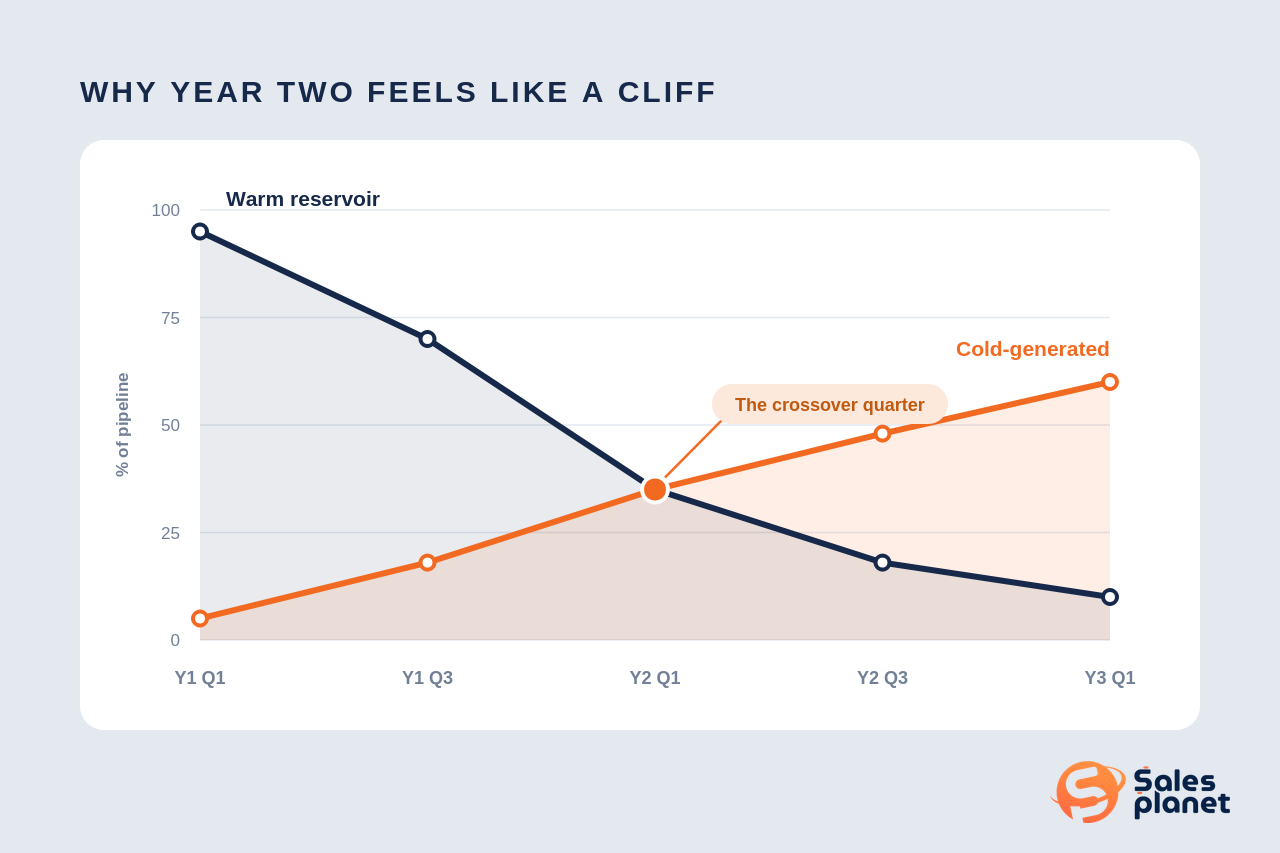
Year one of a new sales strategy almost always looks like a win. The team

A strong sales enablement strategy is what separates teams that hit quota consistently from those
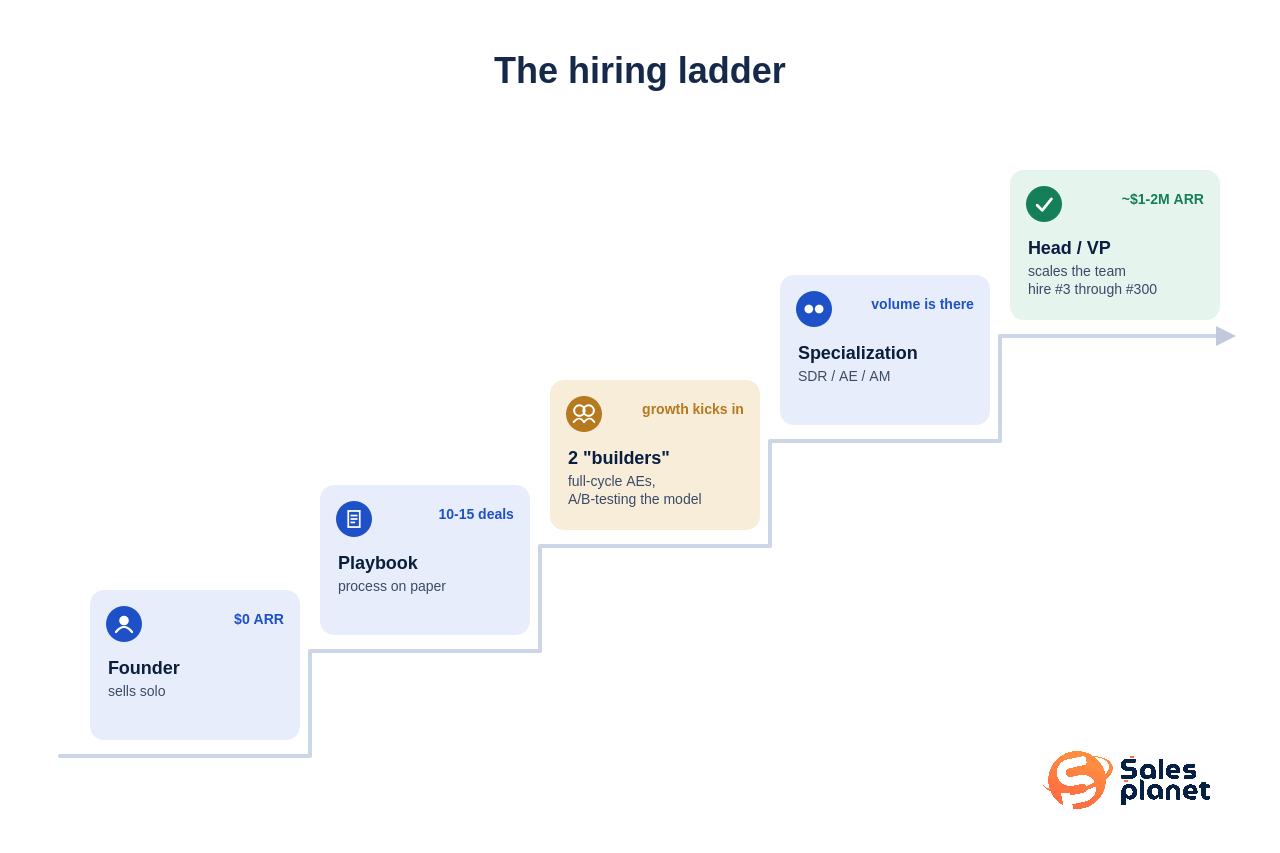
From founder-led to sales-led. The complete guide to your first sales hire. Every B2B founder
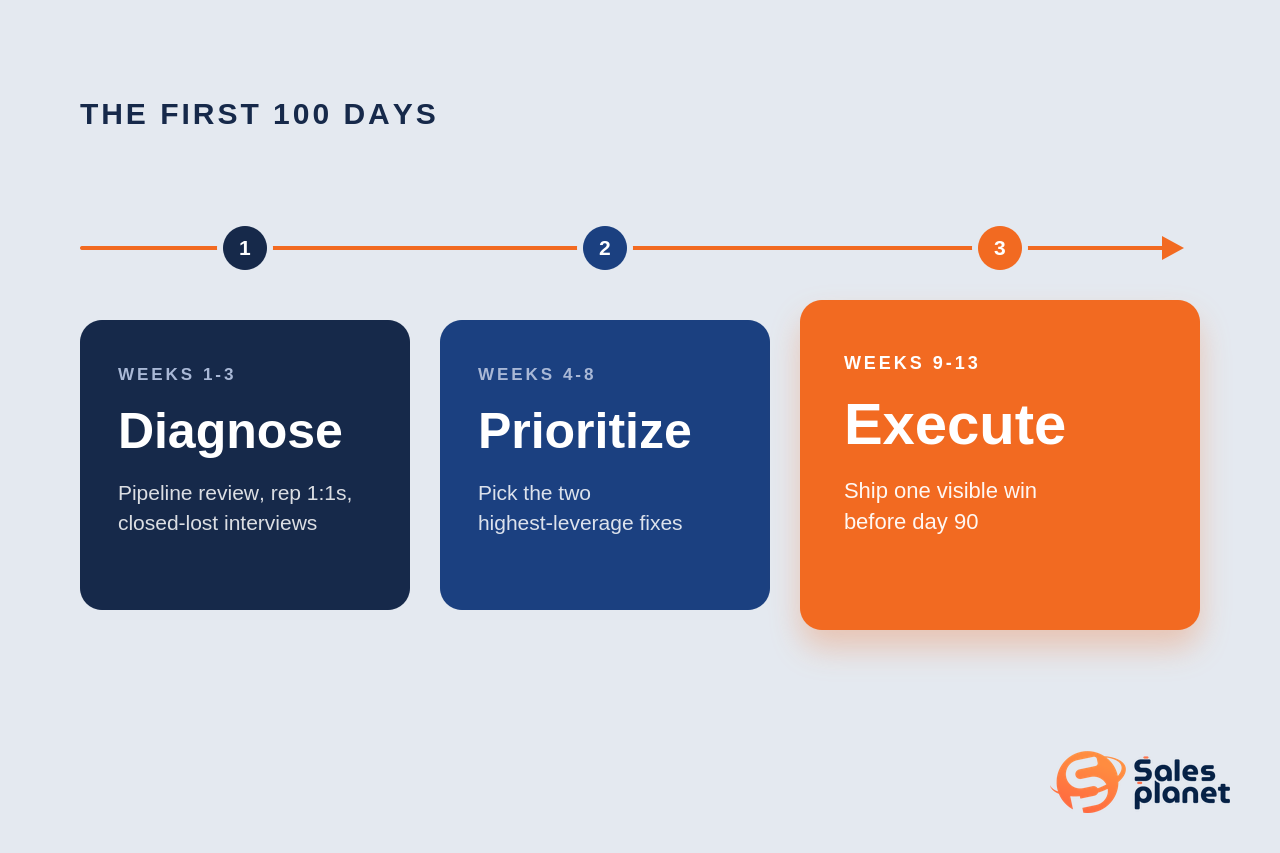
Hiring a Head of Sales – or deciding when and how to hire a VP
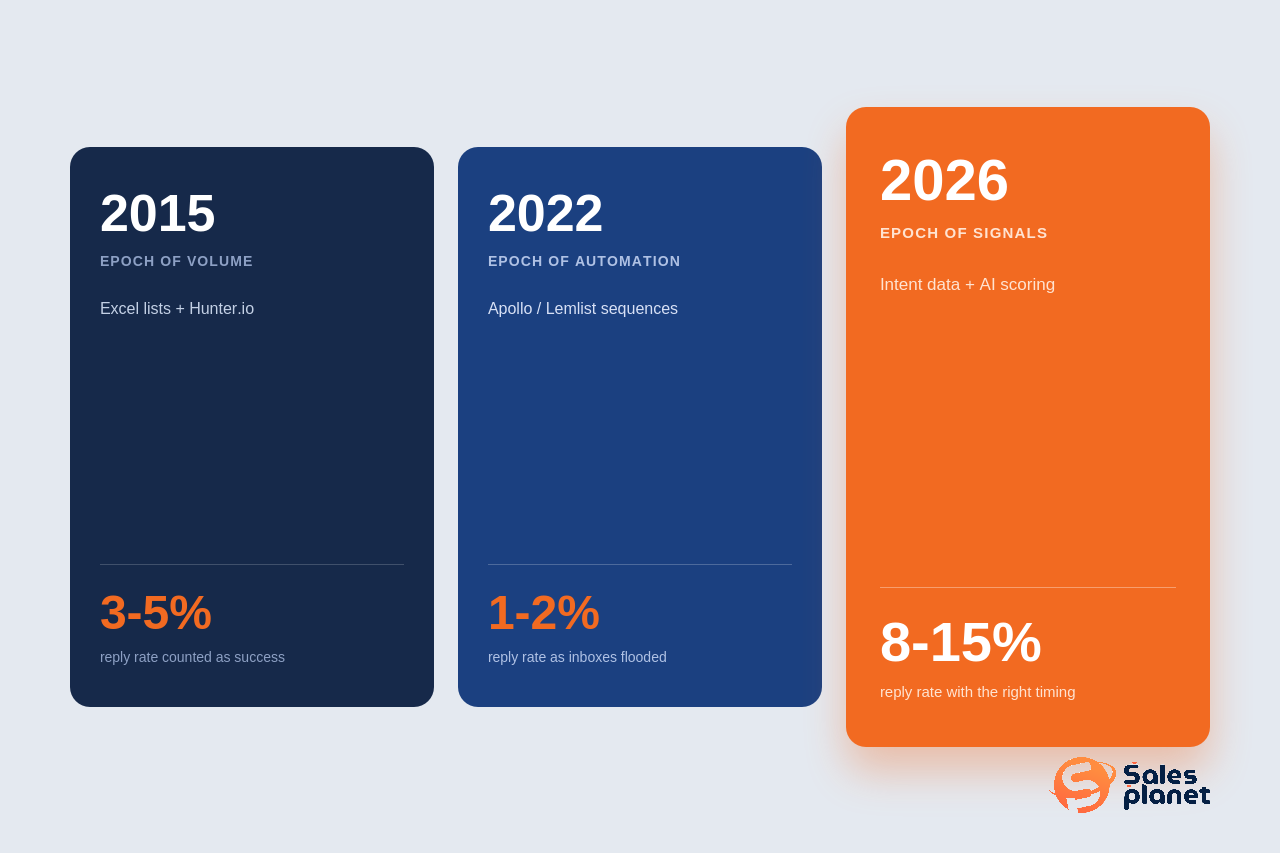
There is a seductive story in modern outbound: your numbers are down because you don’t
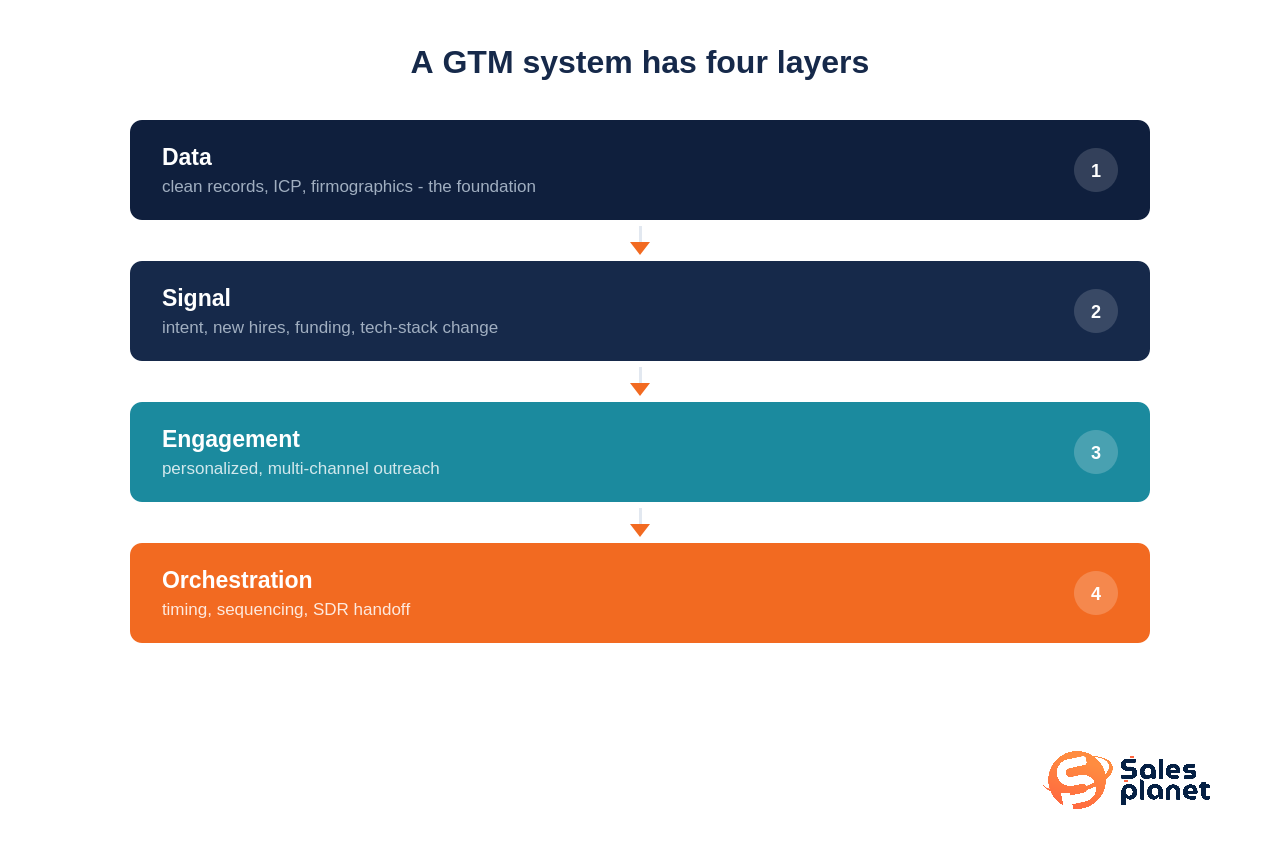
The term “GTM engineer” gets thrown around as if it means “the person who knows

Our Recent Blog Posts
Welcome to our blog, where we explore the latest trends and tips on building sales systems for IT and SaaS.


